Meta Description (SEO): China’s 2026 PV Manufacturing Specification draft targets P-type phase-out, raising N-type efficiency standards for TOPCon, HJT & xBC. What it means for solar buyers in Africa & Middle East.
On October 16, 2026, MIIT’s Electronic Information Department released the draft Photovoltaic Manufacturing Industry Specification (2026 Version) and supporting administrative measures for public consultation. The comment window closes on November 15, only one month for feedback, marking a watershed reform for China’s solar industry.
Unlike routine bi-annual revisions, this 2026 PV specification reshapes market access rules, technical benchmarks and competitive landscape. It accelerates the phase-out of low-efficiency P-type capacity, lifts N-type efficiency thresholds, tightens energy consumption controls and raises capital requirements. The whole industry is shifting from blind capacity expansion to high-quality, high-efficiency development, with profound impacts on global PV supply chains and international procurement, especially for buyers in Africa and the Middle East.
A Guiding Policy with Powerful Market Influence
Though classified as non-mandatory guidance without pre-approval administrative constraints, this regulation controls critical industry resources. In an era of oversupply and tight cash flow for many PV manufacturers, inclusion on the official specification list is a key pass for manufacturers: bank financing, energy allocation, large tenders from state-owned enterprises and global project bidding all rely heavily on this list.
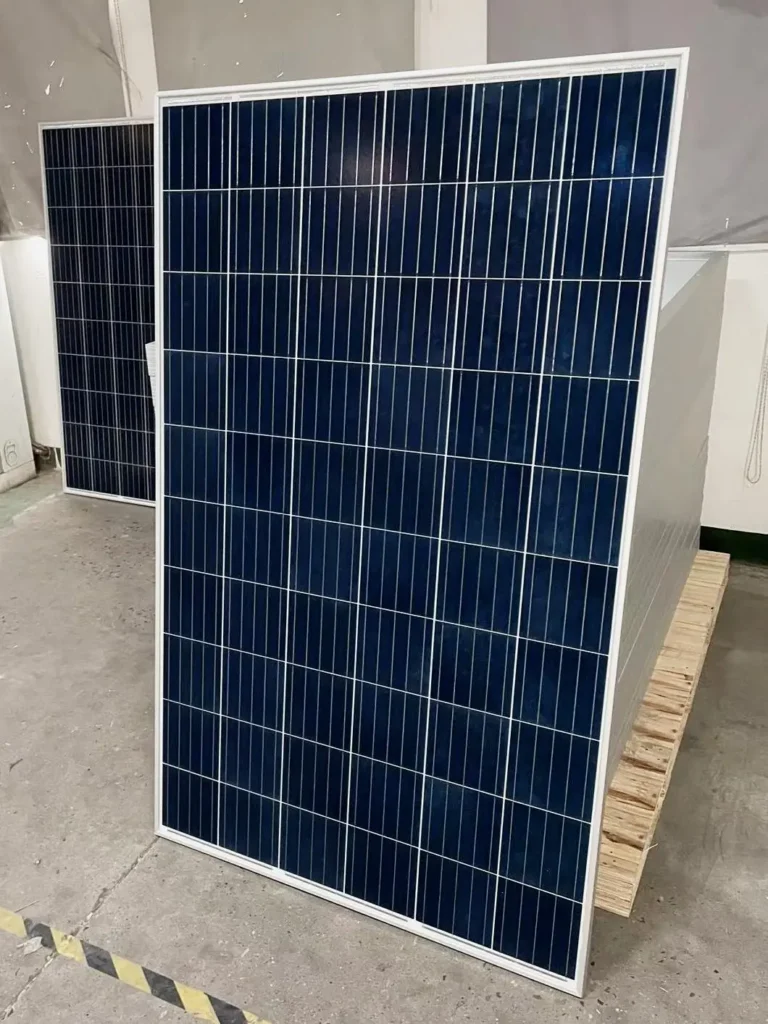
The most transformative change: P-type and polycrystalline PV technologies are removed from independent access entries. P-type modules and polycrystalline products will no longer have official recognised technical classification. Factories will not face immediate shutdown orders, yet they lose access to policy-backed resources.
Gradual retirement of outdated P-type capacity will follow: harder financing, lost large-scale orders, restricted access to production resources and rising operational costs. Low-end inefficient capacity will exit faster, while resources will flow toward high-performance N-type production.
New Efficiency Benchmarks: Top-Tier Mass Production Becomes Industry Minimum
The new specification phases out polycrystalline and traditional P-type routes, focusing on three mainstream N-type technologies: TOPCon, HJT and xBC. Separate strict efficiency thresholds apply to newly built/expanded projects and existing stock capacity.
Minimum Efficiency for New / Expanded Projects
- TOPCon cell: ≥26.2% | Module ≥24.2%
- HJT cell: ≥26.0% | Module ≥24.0%
- xBC cell: ≥26.6% | Module ≥24.4%
Existing Stock Assets
All N-type modules must meet a unified minimum module efficiency of 23.4%, eliminating low-performing legacy capacity.
The new benchmarks align with mass-production levels of leading tier-1 manufacturers. Leading factories already achieve around 24.1% for TOPCon modules and nearly 25% for xBC modules, with mainstream N-type cell efficiency exceeding 26%.
This means the regulation is no longer a loose, inclusive standard. It acts as a filter. Manufacturers with mature, large-scale N-type lines and stable yield can easily comply. Second- and third-tier factories without core N-type technology will lose eligibility for new capacity expansion. The technology gap between players will widen sharply.
Meanwhile, the framework includes tandem and perovskite cells for the first time, opening policy support for next-generation PV technology. The rules focus on commercially viable, practical products rather than lab-only concepts, preventing tech hype and ensuring steady industrial upgrading.
Higher Barriers Across Energy, Capital & Compliance
Beyond cell efficiency, the 2026 specification tightens manufacturing entry requirements across three dimensions to curb extensive, low-quality expansion:
- Strict energy consumption limits: Separate power consumption caps for polysilicon production. New trichlorosilane-based polysilicon lines ≤37 kWh/kg; silane fluidized bed ≤15 kWh/kg, phasing out high-energy production lines.
- Higher capital requirement: Minimum capital ratio for PV manufacturing projects rises to 30%, stopping blind speculative investment by small investors and easing oversupply risks.
- Industry self-discipline assessment: For the first time, corporate compliance, reputation and contract performance are taken into consideration for inclusion on the official specification list, pushing the sector toward orderly, standardised operation.
What This Means for Global PV Buyers & Solar Exports
As the world’s largest PV manufacturer and exporter, China’s policy upgrade reshapes global supply chains, with direct implications for overseas buyers, especially across Africa and the Middle East.
- P-type modules will gradually leave mainstream export markets TOPCon, HJT and xBC N-type modules will dominate export shipments. Low-efficiency, high-consumption P-type products will disappear from formal large procurement channels, leaving only limited leftover inventory.
- Better quality and long-term stability for exported solar panels Forced by policy, manufacturers will upgrade production lines and optimise processes. Exported Chinese PV modules will deliver higher conversion efficiency, longer service life and improved reliability, strengthening China’s global competitiveness in solar products.
- Supply chain concentration increases Small, inefficient manufacturers will exit faster. Capacity, technology and big orders will concentrate among compliant tier-1 suppliers. Overseas buyers benefit from clearer traceability, more consistent quality and lower supply risks for large projects.
- Accelerated commercialisation of next-gen technologies Perovskite and tandem solar cells gain policy backing. Within 2–3 years, these technologies will move from R&D to mass production, offering new options for high-end utility-scale, distributed PV and solar-plus-storage projects.
Conclusion: PV Industry Enters High-Value Competition Era
The 2026 PV specification marks the turning point for China’s solar sector, shifting from pure capacity race to technology-driven quality competition.
By phasing out low-efficiency P-type capacity, adopting leading mass-production efficiency standards and tightening energy & capital rules, the policy ends the era of blind expansion and brutal price wars. Future competition will focus on cell efficiency, green manufacturing, compliance qualifications and R&D capability, not just low pricing.
For overseas solar buyers, this is a critical window to select qualified Chinese N-type suppliers. Sourcing from compliant N-type manufacturers helps you meet global carbon standards, avoid risks tied to phased-out legacy capacity, and secure stable supply and reliable returns for your solar projects.
Looking for reliable N-type solar modules for your solar projects? Contact us for latest datasheets and quotation.