Solar panels are the core component of the entire photovoltaic power generation system, directly determining the system’s power generation efficiency, service life, and operational safety. However, the solar panel market is mixed with good and bad products. Inferior photovoltaic modules often suffer from low power output, rapid performance attenuation, and frequent failures in the later stage, bringing huge economic losses to users.
For solar system installers, distributors, and end users, mastering the method of distinguishing high-quality solar panels is the key to ensuring stable and long-term power generation of the system. This article will share 6 practical visual inspection methods to identify solar panel quality, plus professional tips for optimal installation angles, helping you avoid low-quality photovoltaic products.
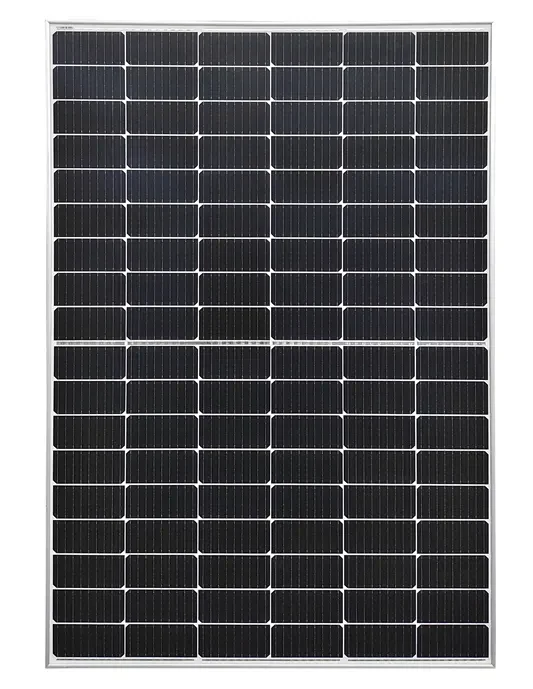
1. Check Tempered Glass Surface Cleanliness
The front tempered glass of solar panels is responsible for light transmission and protection, and its cleanliness directly affects photoelectric conversion efficiency.
Regular high-quality solar panels have smooth, clean, and transparent glass surfaces without any residual impurities. In contrast, small manufacturers pursue production speed and omit detailed cleaning processes, resulting in residual silica gel, dust, and stains on the glass surface.
These subtle residues will block sunlight penetration, reduce the light absorption rate of battery cells, and directly lead to reduced daily power generation and low overall system efficiency. Therefore, a flawless glass surface is the basic feature of qualified solar panels.
2. Inspect Solar Cell Quality and Welding Craft
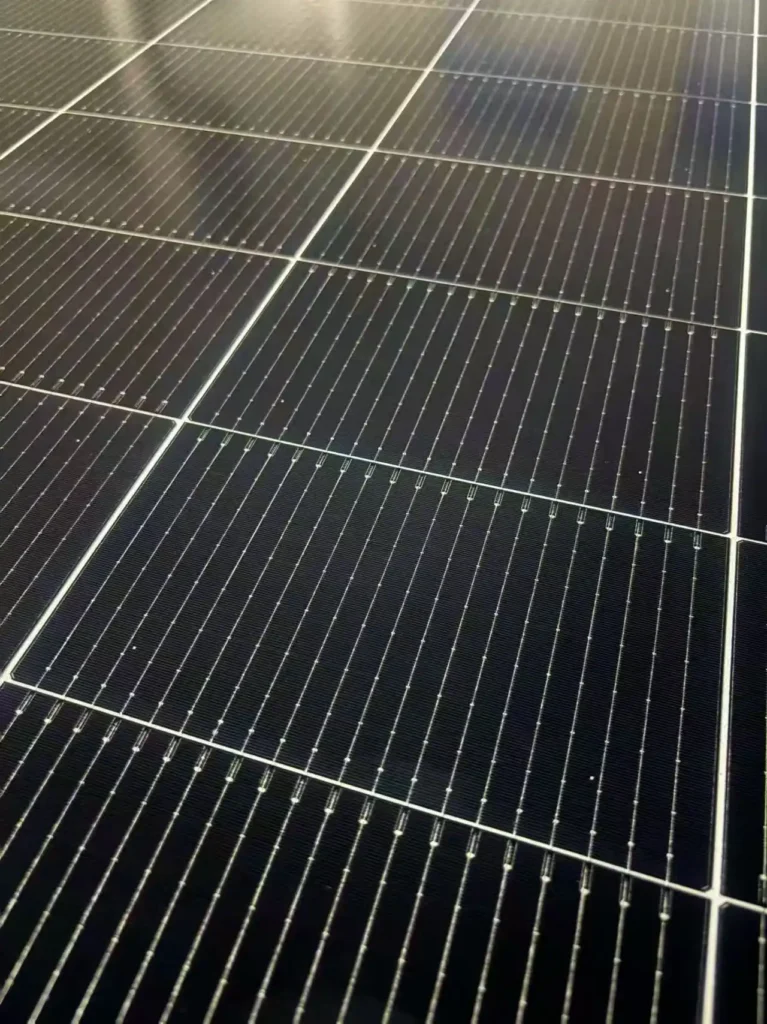
Solar cells are the core power-generating unit of solar panels, and their quality and welding process determine the panel’s service life and stability. Inferior solar panels on the market usually have two major cell problems:
First, broken and spliced solar cells. Many irregular manufacturers use fragmented waste cells for splicing and assembly to reduce costs. Such panels may work normally in the early stage of use, but the spliced cells are prone to re-cracking and open circuits under outdoor high temperature, cold alternation and wind and rain erosion, resulting in partial or total failure of power generation.
Second, unqualified string welding process. Carefully observe the cell arrangement and welding lines of the panel: high-quality modules have neatly arranged cells, uniform spacing, full and firm welding points, and no missing welding or virtual welding. Low-quality panels have disordered cell arrangement, missing welding and uneven welding, which will cause current instability and accelerate panel attenuation.
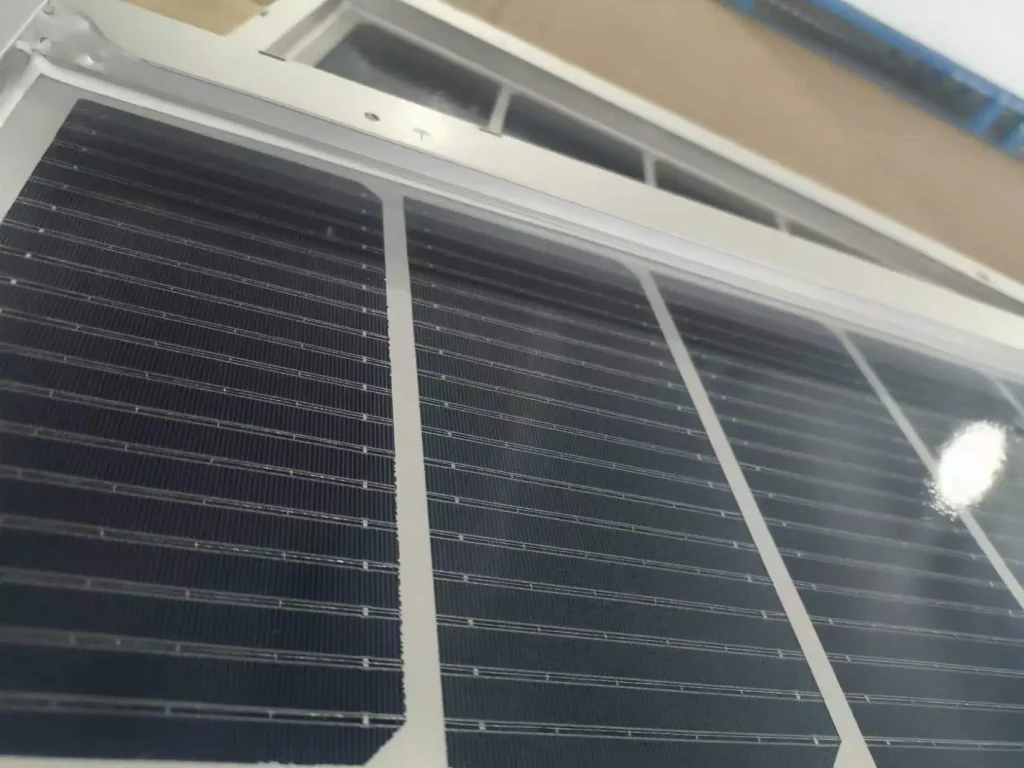
3. Check Lamination Quality: Single-glass vs Double-glass Solar Panels
For single-glass panels, check the backsheet for bubbles, wrinkles or uneven areas after lamination.
Double-glass solar panels have no backsheet. To inspect lamination quality, examine the module under oblique bright light through both sides of glass:
- Check for trapped bubbles or voids inside the encapsulant, especially along edges and cell gaps.
- Look for cloudy or milky patches in EVA/POE film, which reduce light transmission.
- Check for wavy deformation and foreign debris trapped between two glass sheets.
- Verify cells and ribbons are flat and not offset.
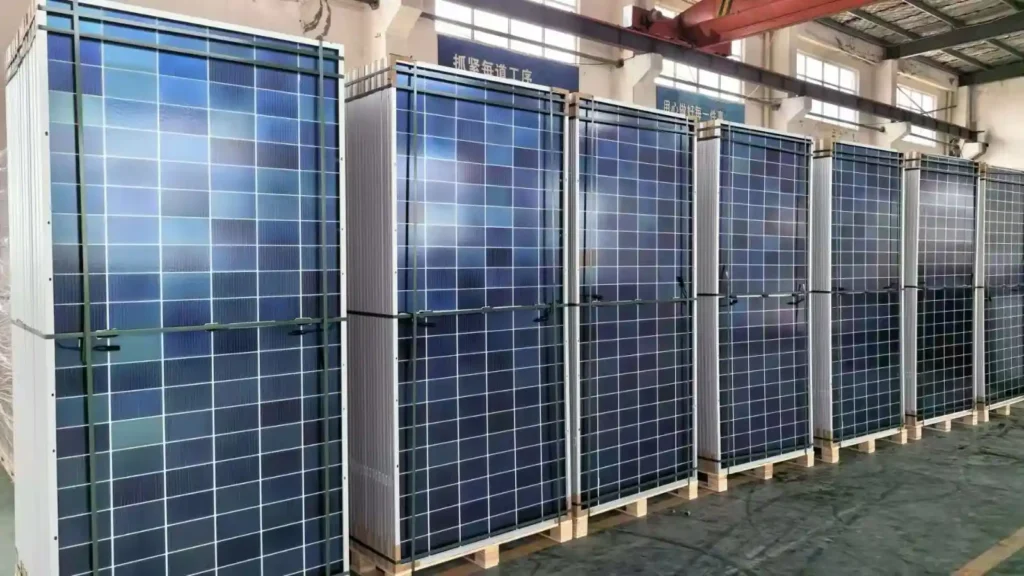
4. Observe Frame Craft and Firmness
The aluminum alloy frame is the protective bracket of solar panels, which bears outdoor wind pressure, load and installation fixing pressure, and its firmness is related to the panel’s wind resistance and durability.
Most small factories adopt manual frame assembling. Due to uneven manual force, the frame cannot be closely fitted, and the panel cannot form a standard rectangular structure. The frame has loose gaps and poor overall firmness.
In contrast, fully automatic production line processing is adopted for high-quality solar panels, with precise frame size, tight splicing, no gaps, smooth and wear-resistant frame surface, strong overall stability, which can effectively resist outdoor harsh environments and avoid deformation and loose frame falling off.
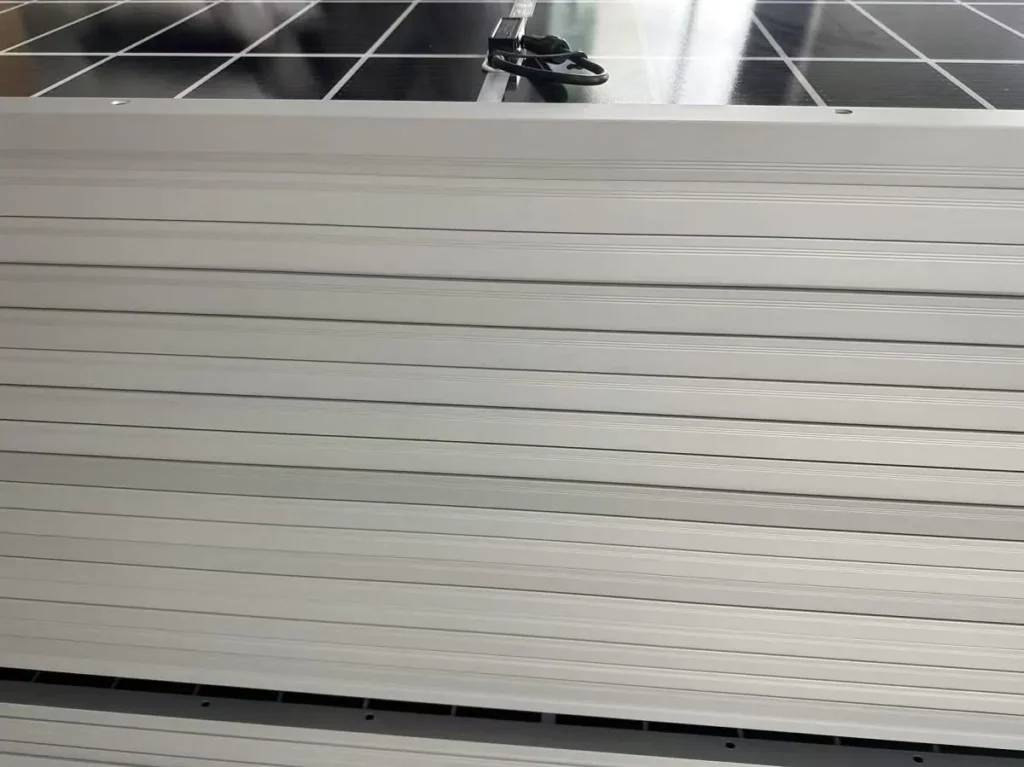
5. Check Edge Silicone Gel Filling Uniformity
The silicone gel around the back of the solar panel is used for sealing, waterproofing and bonding, which is a key detail to prevent water ingress and delamination.
High-quality photovoltaic modules have uniform and full silicone gel filling around the back, which can tightly penetrate the gap between the backsheet and the frame, with no missing glue, thin glue or uneven coating. The sealing is tight and the waterproof performance is excellent.
Inferior panels have uneven edge silicone gel, partial missing glue and hollow gaps. In rainy and humid environments, water vapor will penetrate into the panel along the gaps, causing internal mold, corrosion and power generation failure.
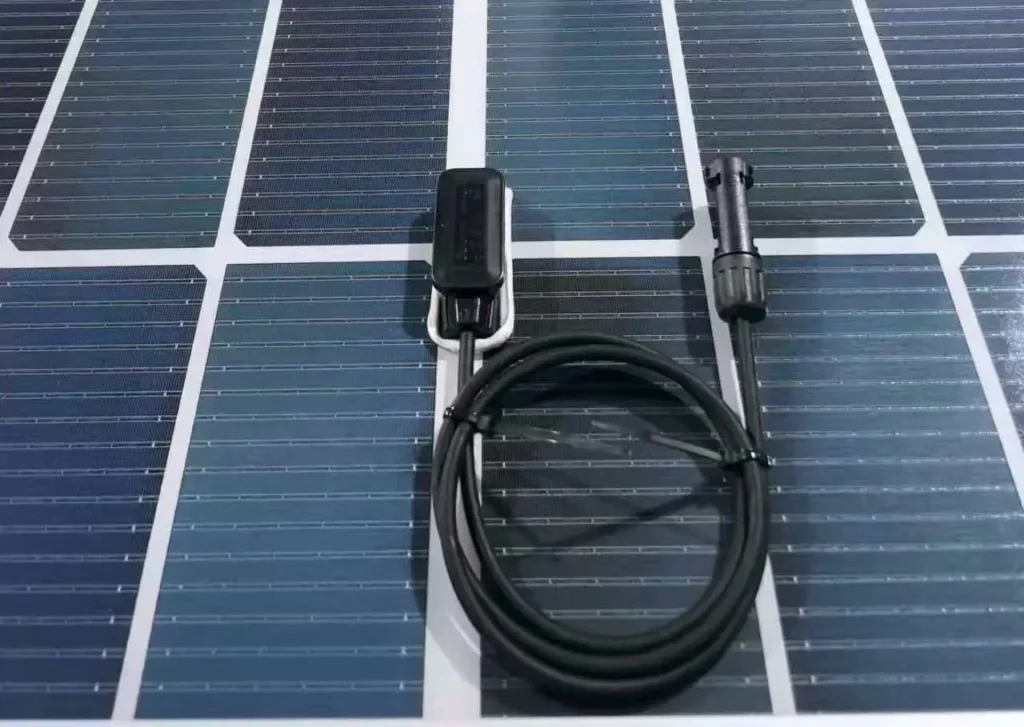
6. Test Junction Box Installation Stability
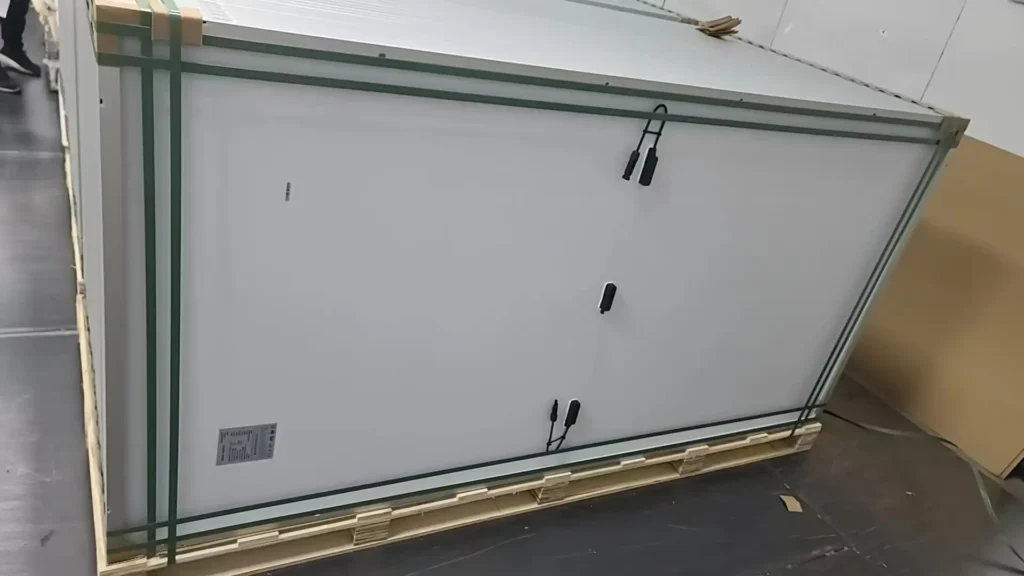
The junction box is the core connection component of solar panel power output, and its firmness and flexibility affect the stability of power transmission.
When inspecting, focus on three points: first, whether the junction box is firmly bonded to the backsheet without loosening; second, whether the box cover is tightly fitted with no gaps; third, whether the wire lock head rotates flexibly and can be locked firmly.
Inferior junction boxes are easy to loose and fall off, poor in sealing, and the wire lock head fails to fix the cable stably, which is prone to poor contact, power failure and even short circuit safety risks in long-term outdoor use.
Bonus Tip: Optimal Installation Angle Improves Power Generation Efficiency
In addition to selecting high-quality solar panels, scientific installation angle is also a key factor to maximize the power generation performance of photovoltaic systems. Even with high-efficiency panels, unreasonable installation angles will lead to insufficient sunlight absorption and reduced power generation.
The best installation angle of solar panels is mainly determined by local latitude and seasonal light characteristics. A reasonable inclination angle can make the panel receive vertical sunlight for a long time, improve light utilization, and increase the overall power generation of the system.
In actual installation, it is necessary to adjust the angle according to the local annual light distribution, avoid shelter and low light absorption problems, so as to give full play to the maximum power generation advantage of high-quality solar panels.
Final Summary
To distinguish the quality of solar panels, we only need to focus on 6 core details: glass surface cleanliness, cell welding quality, backsheet lamination effect, frame firmness, edge silicone gel sealing, and junction box stability. High-quality solar panels have exquisite overall technology, no defective details, stable performance and long service life.
Matching with scientific installation angles can maximize the power generation efficiency of photovoltaic systems. Avoiding low-quality defective panels is not only to ensure power generation income, but also to eliminate potential safety hazards of photovoltaic systems.